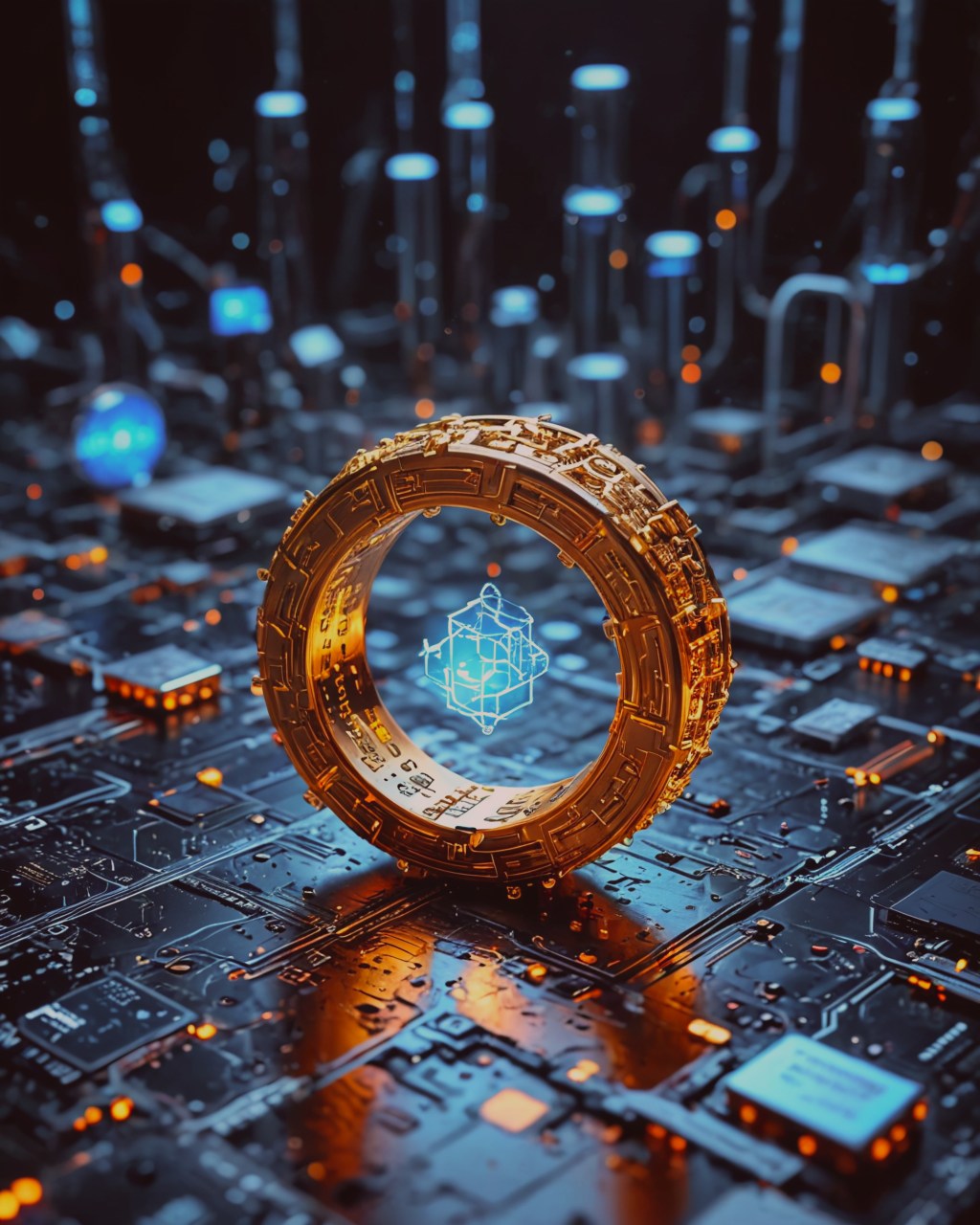
Meta Title: Quantum Computing vs Blockchain: What Happens When They Collide?
Meta Description: Explore how quantum computing could disrupt or enhance blockchain technology. Learn what this clash means for the future of crypto security, finance, and decentralization.
The rapid rise of quantum computing has sparked excitement—and anxiety—across industries, but perhaps no sector is watching more nervously than the blockchain world. At the core of this tension lies one simple truth: quantum computers might be powerful enough to crack the very encryption methods that secure blockchain networks.
So what happens when two of the most groundbreaking technologies of our time meet? Here’s what you need to know.
🔐 The Cryptographic Foundations of Blockchain
Blockchain systems like Bitcoin and Ethereum rely on public-key cryptography to secure wallets and authenticate transactions. These cryptographic algorithms—such as RSA and ECDSA—work well today because they’d take classical computers an impossibly long time to crack.
But quantum computers play by different rules.
⚛️ How Quantum Computing Threatens Blockchain
Quantum computers, particularly those using Shor’s algorithm, could theoretically break these encryption methods in a fraction of the time. This means:
• Private keys could be exposed from public keys.
• Wallets and identities could be compromised.
• Smart contracts and DeFi protocols could be at risk.
Essentially, what was once secure could suddenly become transparent and vulnerable.
🔄 Is This the End of Blockchain? Not Exactly.
Fortunately, the crypto world isn’t standing still. Developers and researchers are already working on post-quantum cryptography—new algorithms designed to withstand quantum attacks. These include:
• Lattice-based cryptography
• Multivariate polynomial cryptography
• Hash-based signatures
Many blockchain projects are exploring quantum-resistant protocols, and some newer blockchains are even building them in from the start.
💡 Could Quantum Enhance Blockchain?
It’s not all doom and gloom. Quantum computing could actually accelerate certain blockchain processes, such as:
• Faster consensus algorithms
• Quantum-resistant random number generation
• Optimized mining and data processing
In the long run, quantum and blockchain might not be enemies, but complementary innovations.
🧭 What You Should Do Today
For now, mainstream blockchain systems are still secure—but the landscape is shifting. Here’s what users and investors can do:
• Stay updated on quantum-safe blockchain projects
• Diversify holdings across platforms adapting early
• Follow advancements in post-quantum cryptography
• Avoid reusing wallet addresses (especially in Bitcoin)
🚀 The Final Take
The clash between quantum computing and blockchain isn’t necessarily a war—it’s a wake-up call. As quantum capabilities grow, so too must the resilience of decentralized systems.
Whether it results in destruction or evolution, one thing’s certain: we’re entering a new era of digital security, and those who understand it will lead it.
📘 Ready to Turn AI Into Income?
If you’re serious about creating a new stream of income using AI tools, don’t miss my step-by-step eBook: “How to Use AI to Make $10K/Month”. Whether you’re a beginner or already tech-savvy, this guide is packed with realistic, actionable strategies that anyone can follow — no fluff, no hype.
👉 Grab your copy here and start building your AI-powered income today.
 FinTech Focused